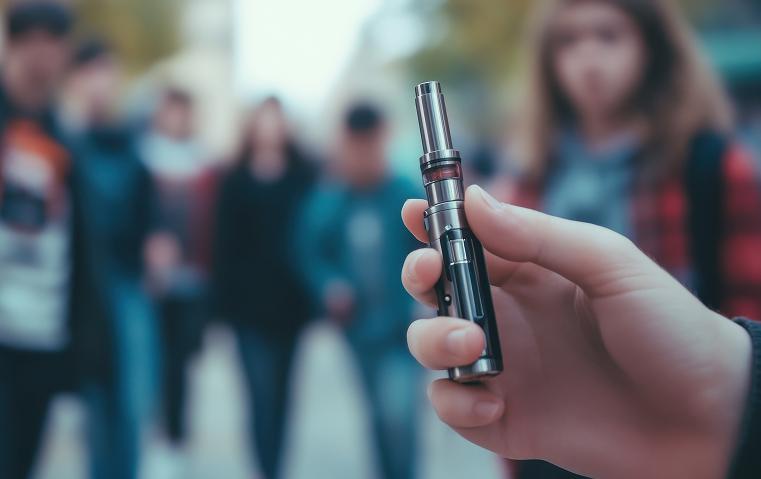
California has a peculiar approach to public health. You can buy cannabis, caffeinated beverages, and cigarettes. But smokers hoping to switch to flavored nicotine vapes face mounting restrictions.
In September, Governor Gavin Newsom signed legislation banning single-use nicotine vapes, citing battery fires and pollution. Yet cannabis vapes are exempt.
Apparently, a discarded lithium battery is an environmental problem when it delivers nicotine, but not when it delivers cannabis.
California has already prohibited the sale of most flavored nicotine products. Adults who prefer fruit-flavored nicotine vapes cannot legally purchase them from ordinary retailers. Yet licensed cannabis businesses can continue selling cannabis vaping products under a separate regulatory regime.
Why?
This is not an argument for banning cannabis. It is an argument for consistency and proportionality.
Caffeine is perhaps the clearest example. Millions of Americans depend on their morning coffee. Nobody seriously proposes banning flavored lattes because young people might develop a caffeine habit. We recognize that caffeine has risks, that consumption varies enormously, and that most adults can make reasonable choices about its use.
Cannabis, once criminalized, is now sold legally for recreational use in California, partly reflecting recognition of prohibition’s costs and adults’ freedom to choose.
But nicotine? Here the political logic seems to run in reverse.
Nicotine is not what kills smokers. Combustion does. Nicotine is addictive and has physiological effects, but the overwhelming burden of smoking-related disease comes from burning tobacco and inhaling its toxic byproducts. This is the essential distinction that tobacco policy too often obscures. Smokers who switch completely to properly regulated noncombustible nicotine products can substantially reduce their exposure to the chemicals responsible for smoking-related disease.
That is the central promise of tobacco harm reduction.
We have decades of experience with nicotine replacement products and growing evidence that vaping can help adults stop smoking. Cochrane reviews have found that nicotine e-cigarettes help more people quit smoking than traditional nicotine replacement therapy.
California’s policies risk undermining this opportunity. Flavors matter to many adult vapers, and disposable products offer convenience and affordability. Restricting them without ensuring accessible alternatives may discourage switching or drive consumers toward illicit markets.
Of course, young people should not vape nicotine. Nor should they use cannabis. But preventing youth access is different from denying adults access to potentially less harmful substitutes for cigarettes.
That raises a political question.
California Democrats have embraced cannabis legalization as a matter of personal freedom, criminal justice, and sensible regulation. Yet when nicotine is involved, many of the same politicians favor prohibition and increasingly punitive restrictions.
Why does harm reduction appear persuasive for cannabis but less persuasive for nicotine?
The environmental argument makes the contradiction particularly conspicuous. If the concern is batteries and plastic waste, regulate batteries and plastic waste. Require removable batteries, recycling, or producer responsibility across vaping products. The environment does not care which psychoactive substance was inside the discarded device.
Nor should public-health policy be driven by whether a particular substance is fashionable, politically acceptable, or associated with an unpopular industry.
The irony is that cigarettes, by far the most dangerous widely used nicotine products, remain legally available. California continues to collect substantial cigarette-tax revenue while restricting alternatives that eliminate combustion. Nicotine dependence is not harmless, but it should not be confused with the lethal consequences of inhaling tobacco smoke.
None of this means vaping should be unregulated. Product standards, age restrictions, manufacturing oversight, and honest consumer information are entirely appropriate. Cannabis vaping deserves serious safety scrutiny too.
But regulation should follow evidence of harm, not cultural preferences about which addictions are acceptable.
California’s politicians should answer a straightforward question: if adults may legally purchase cannabis vapes, why should smokers face greater obstacles when purchasing nicotine vapes that could help them quit cigarettes?
California allows the sale of cigarettes, whose combustion kills, while restricting nicotine alternatives that eliminate combustion. That is a strange way to pursue public health. A policy that cannot explain this distinction risks protecting cultural prejudices rather than the people it claims to serve.