The Center for Global Health Accountability exists to establish whether public-health policies achieve what they promised.
The intellectual origins of CGHA can be traced to the Nobel Prize-winning economist Ronald Coase. For many years economists taught that lighthouses were a classic public good that could only be funded by governments, because ships could not easily be charged for the light they received.
Coase asked a different question. Instead of debating the theory, he examined the historical evidence. He discovered that, for centuries, many British lighthouses had in fact been privately financed — their owners recovering costs through fees collected from ships entering nearby ports. The accepted theory had overlooked how the system actually worked.
Throughout his career — whether studying environmental regulation, counterfeit medicines, tobacco control, pandemic preparedness or international health governance — he became interested in the same question.
The Center for Global Health Accountability was created to apply that principle to global health. We believe public health advances most rapidly when policies are tested against evidence, when institutions are willing to measure their own performance honestly, and when new evidence is allowed to challenge old assumptions.
Our work combines economics, epidemiology, behavioural science, field research and institutional analysis to evaluate whether public-health policies achieve their intended objectives.
All three outcomes deserve careful study. That is why CGHA exists.
Much of CGHA's work supports the International Health Reform Panel (IHRP) and the accountability, governance and financing of institutions such as the World Health Organization. Research is published under the CGHA brand: the institution — not individual personalities — is the public-facing identity.
CGHA also draws on researchers, clinicians and academics who cannot always be identified publicly. Some hold positions in which association with contested research could affect funding, collaboration or professional advancement. Their qualifications and identities are verified internally, while CGHA’s named leadership reviews the work and accepts editorial responsibility for everything published under the Center’s name.

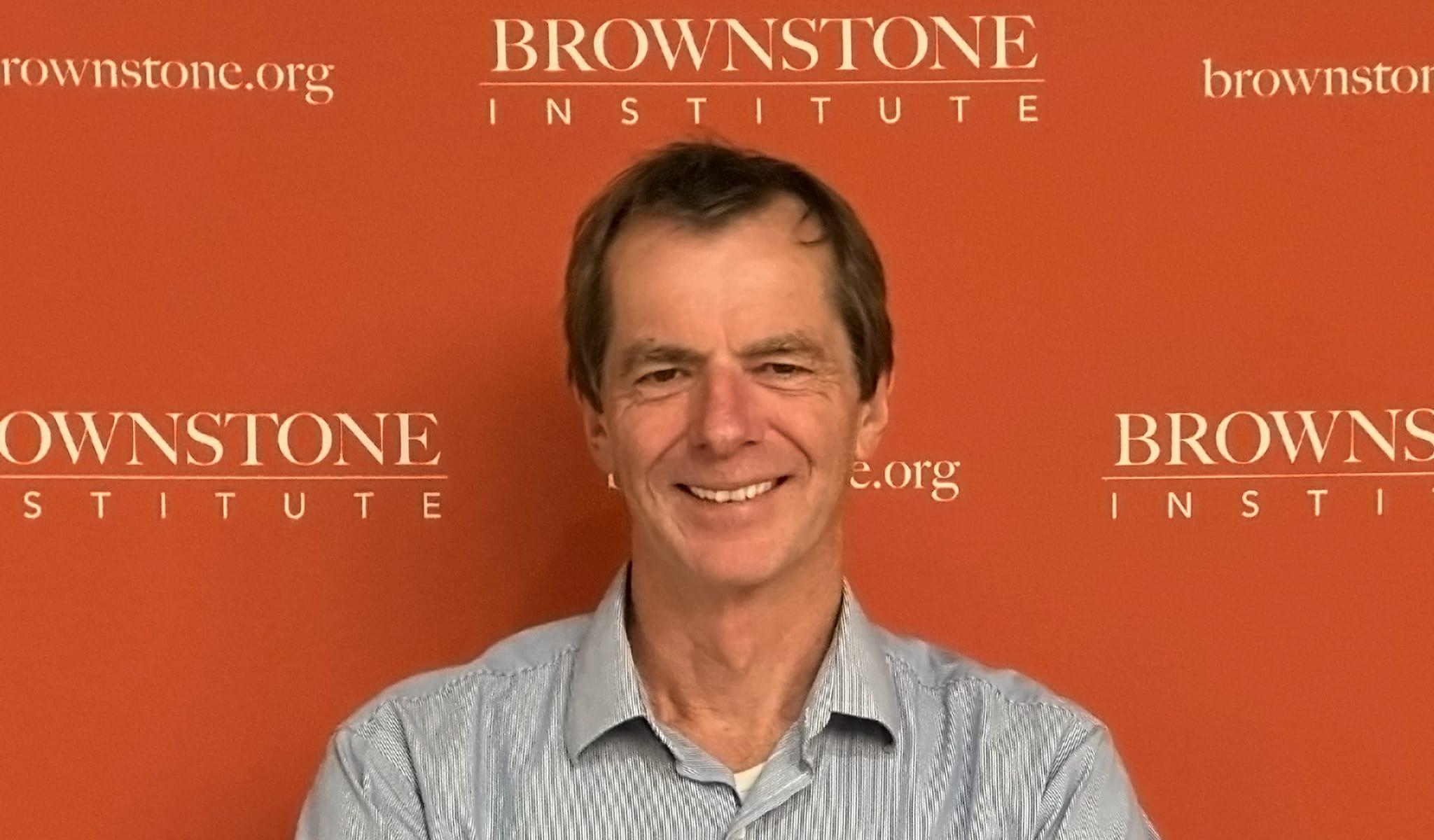
Researches international health and development policy with a special interest in medicines and nicotine products. PhD in economics from Cambridge University. Fellow at the International Center for Law and Economics and Brownstone Institute. Writings have appeared in the New York Times, Lancet, Journal of Health Economics, and the British Medical Journal. Advisor to the South African Government. Author or editor of 14 books and over 1,000 journal and newspaper articles.
At CGHA he leads the Center's survey research and accountability programs. He is the author of The House Always Wins and a co-author of The Politics of Acceptable Addiction, The Tobacco Trap, and Decolonizing Global Health.